Ise Jingu 1-Day Itinerary: Shrines, Culture & Local Food
Welcome to the first day of our Ise-Shima journey! Today, we dive deep into the spiritual roots of Japan. Ise Jingu is often called the “Soul of Japan,” a sacred place where ancient traditions live on amidst towering 1,000-year-old trees.
But it’s not all quiet contemplation—right next to the shrine is a vibrant world of flavors! We’ll explore the nostalgic streets of Okage Yokocho, feast on local comfort food, and end the day at the mystical “Wedded Rocks” on the coast. Let’s begin this unforgettable journey into the heart of Japanese culture.
Table of Contents
Getting Around: Bus, Train, or Car?
The best way to travel depends on your destination. Here is the breakdown:
- Ise Area (Day 1): Very easy. Use trains and buses to visit Ise Jingu and the surrounding old towns.
- Toba & Shima Areas (Day 2): A rental car is highly recommended! Most scenic observatories and local seafood gems are tucked away from the stations. You can pick up a car easily at Ise-shi Station.
- If You Don’t Drive: Take the Kintetsu train to Ugata or Kashikojima Station. From there, use a taxi or your hotel’s free shuttle service to reach the resort areas.
A Quick Note on Shima “Resort” Life
While Shima is a famous seaside resort, keep in mind that swimming is only possible during the summer months. Most travelers visit year-round to enjoy the spectacular ocean views, chic cafes, and luxury hotel stays rather than the beach.
Day 1: Exploring the Spiritual Roots of Japan
9:30 AM | Ise Jingu Geku (Outer Shrine)
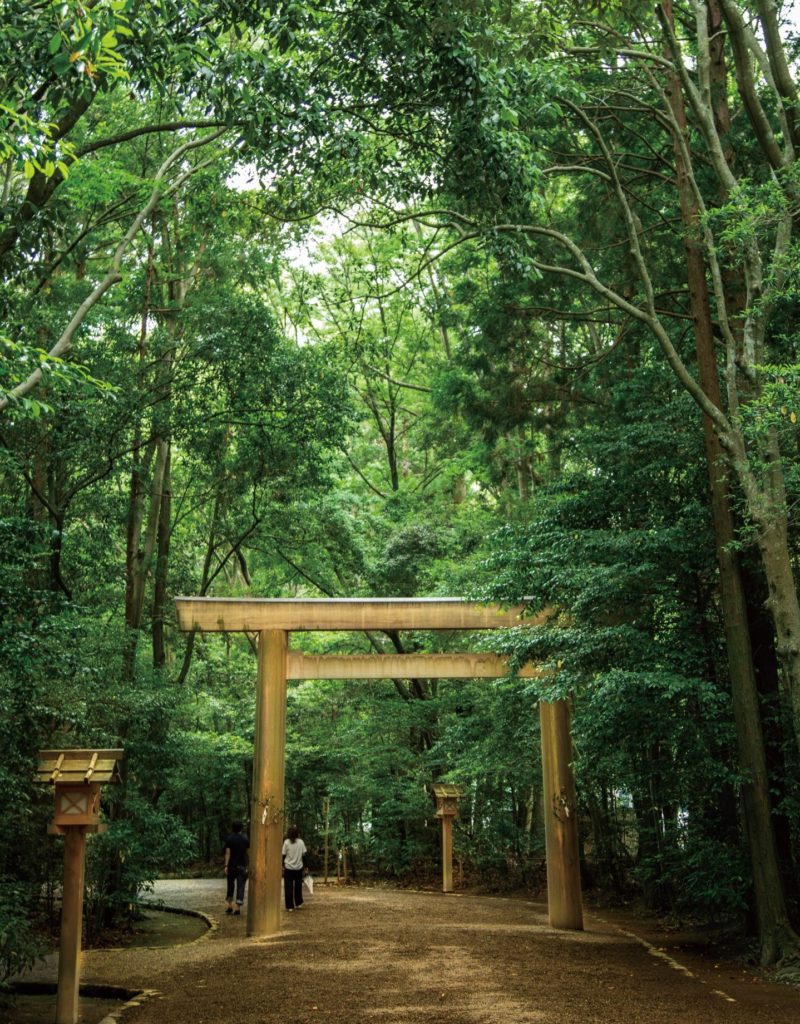
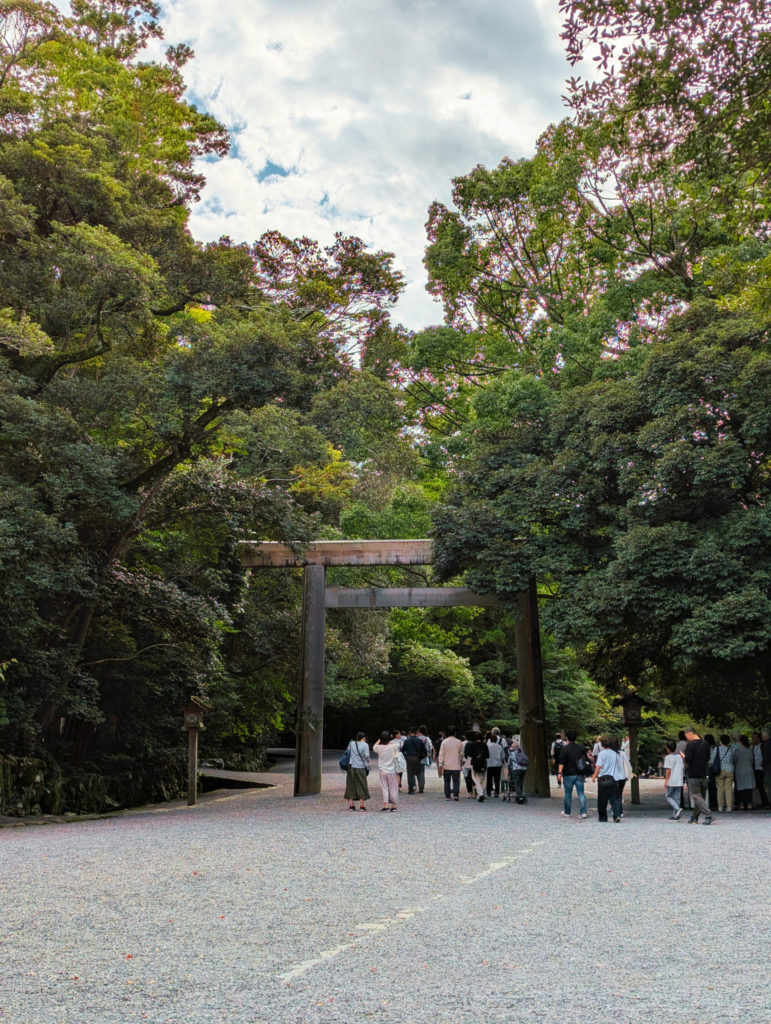
Ise Jingu consists of two main shrines: Geku and Naiku.
The tradition is to visit Geku first before heading to the Inner Shrine. Surrounded by a deep forest, you’ll find ancient trees—some over 1,000 years old! Unlike golden temples, this shrine is simple and made of natural wood, reflecting the ancient Japanese spirit of worshipping nature.
Geku is just a 5-minute walk from Ise-shi Station.
12:00 PM | Okage Yokocho & Oharai-machi (Food & Shopping)
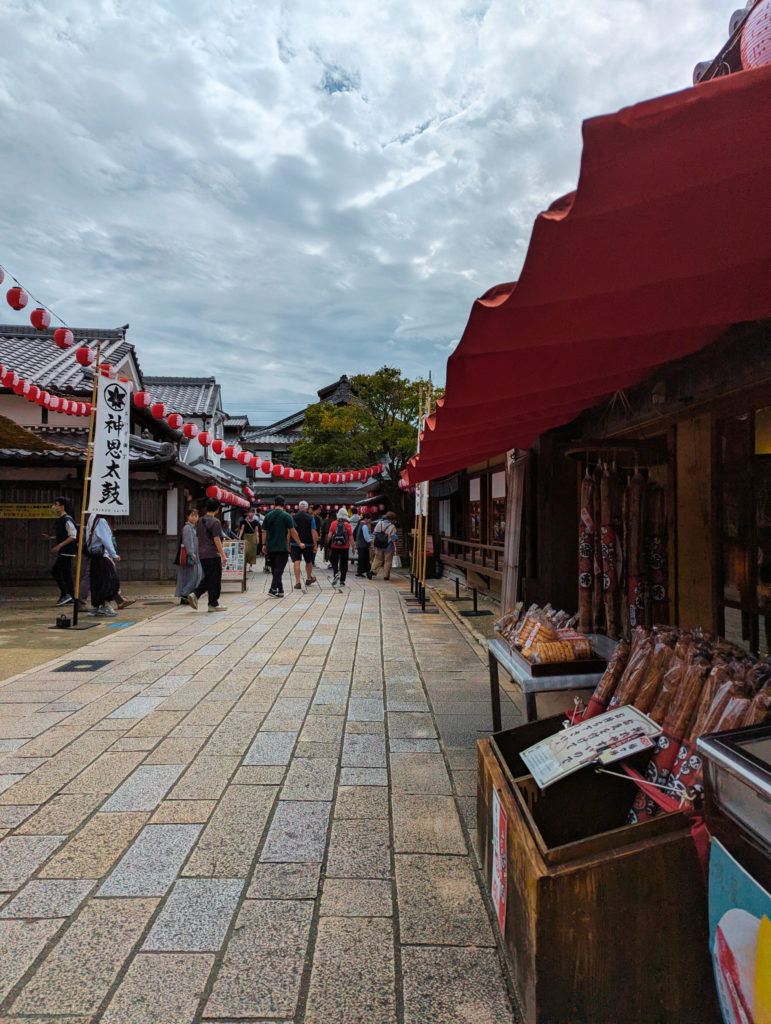
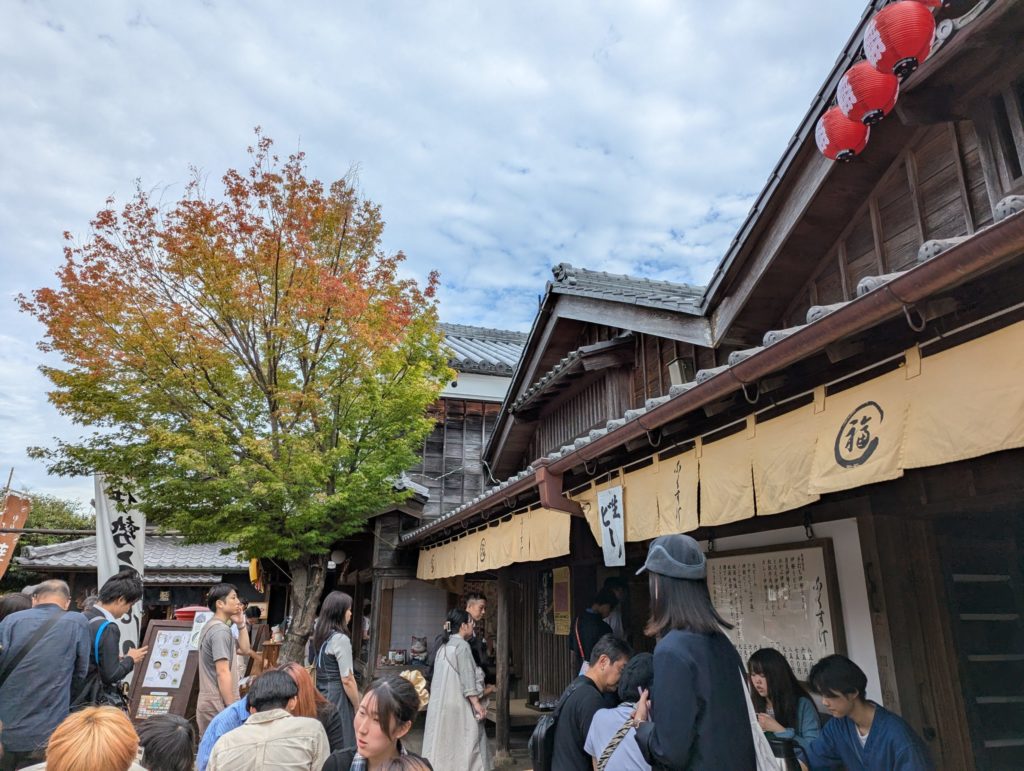
Right next to the Inner Shrine is a lively district that recreates the atmosphere of the Edo period. It’s the perfect place for a lunch break!
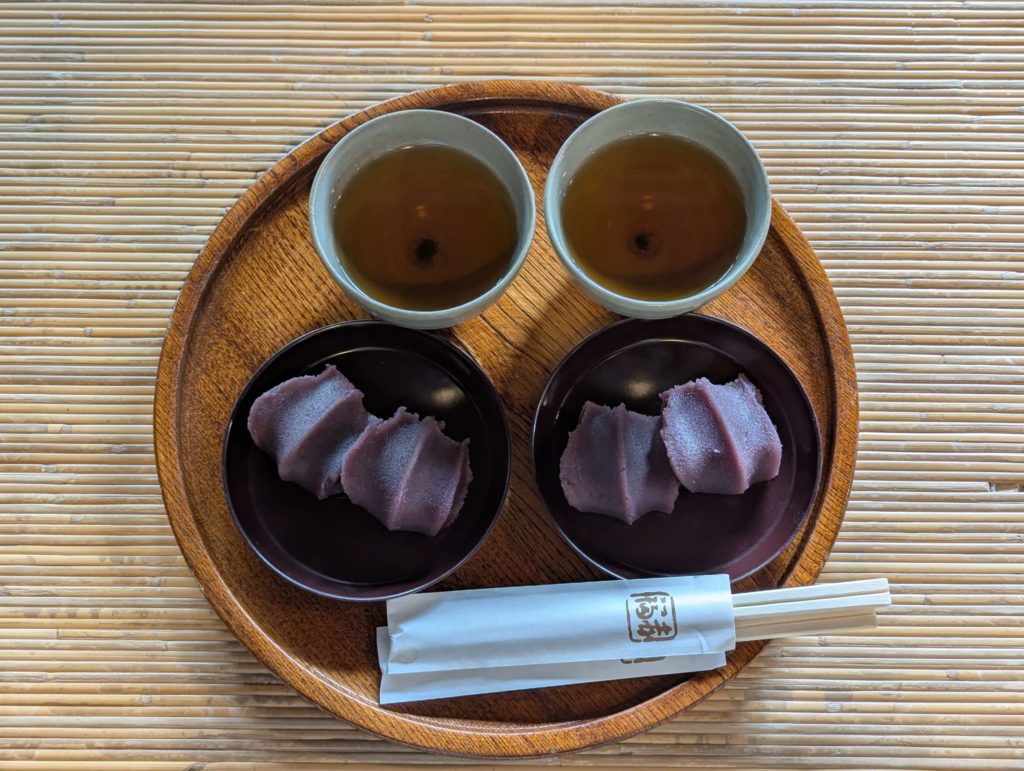
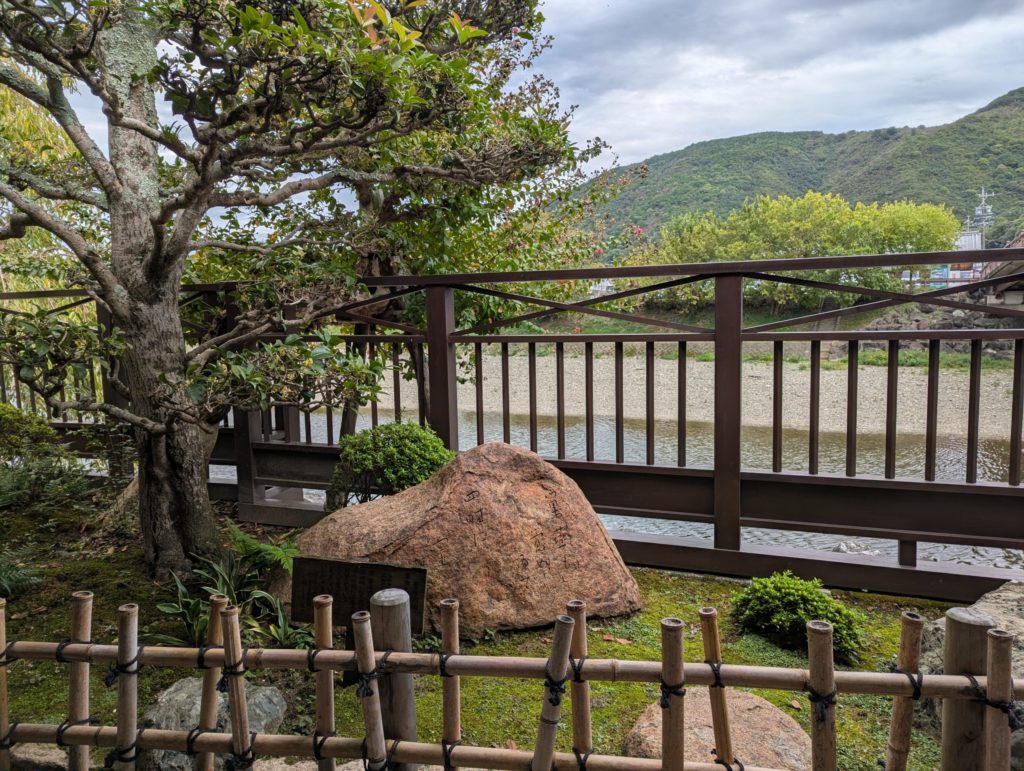
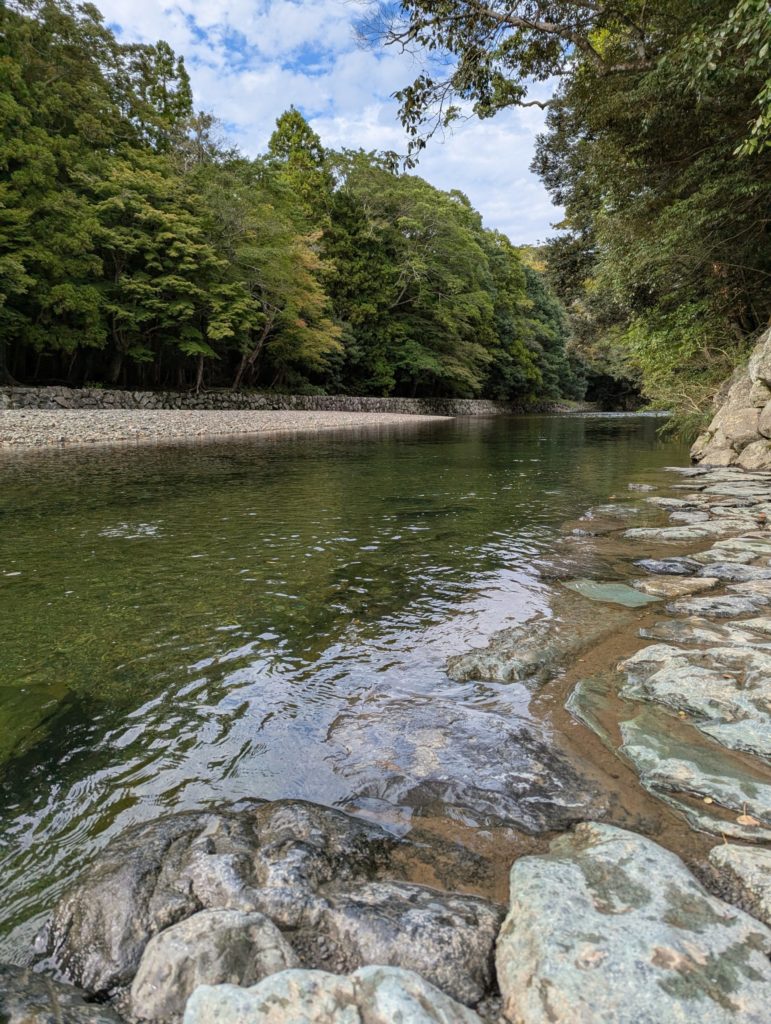
Akafuku (Main Shop): A must-try! It’s a traditional mochi rice cake topped with smooth red bean paste. Eating it on tatami mats overlooking the Isuzu River is a serene experience. (Credit cards accepted)
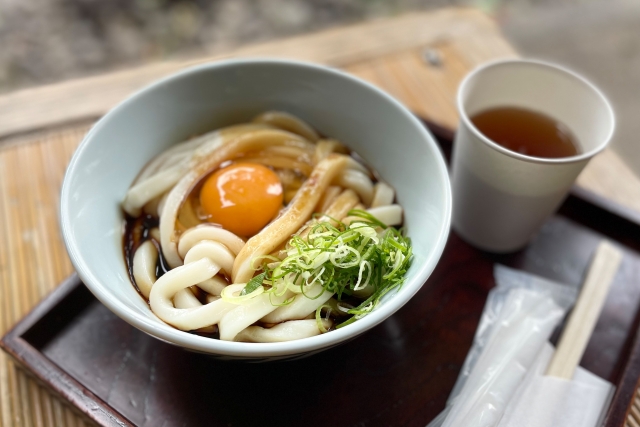
Fukusuke: Try the local specialty, Ise Udon. The noodles are incredibly thick and soft, served in a rich, sweet soy-based sauce. (Credit Cards OK / Self-service style.)

✨ Expert Tip:
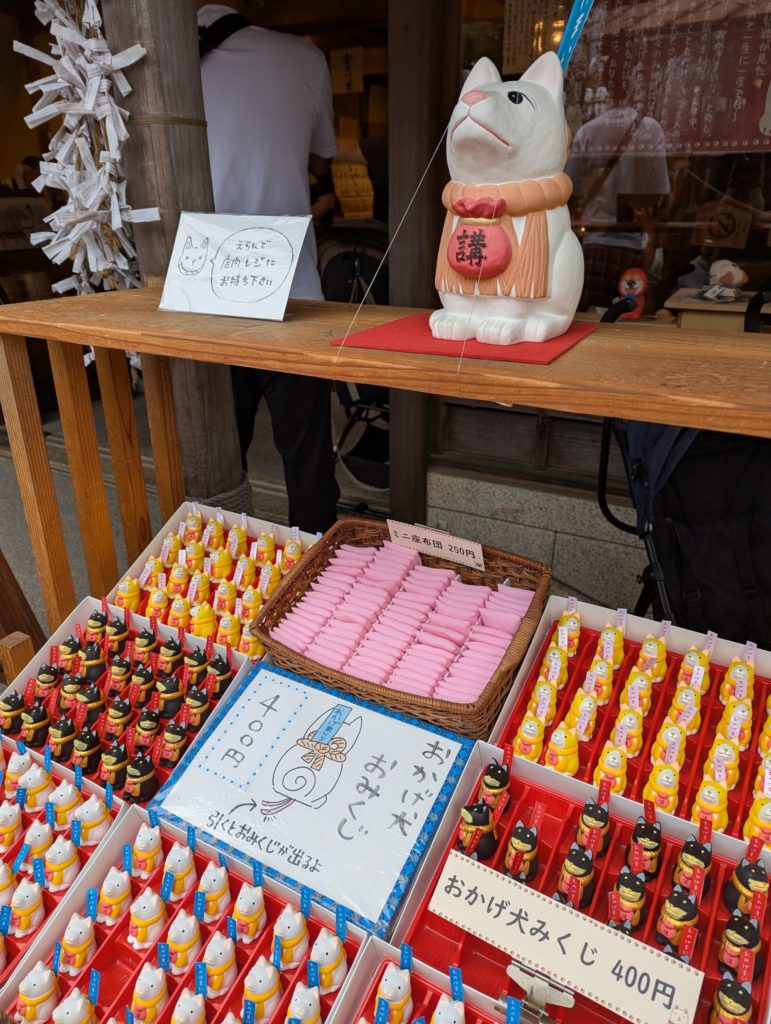
This district also features unique shops like Starbucks, Snoopy, and Miffy, all housed in traditional buildings. While many places take cards, some small stalls are cash only, so keep some yen handy!
1:30 PM | Ise Jingu Naiku (Inner Shrine)
After lunch, walk to Naiku, the most sacred shrine in Japan. It’s vast—expect to spend about 60 to 90 minutes walking through the beautiful grounds.
Strategy: If you are short on time, it is perfectly acceptable to skip Geku and spend your time here at Naiku and the shopping streets.
4:15 PM | Meoto Iwa (The Wedded Rocks)
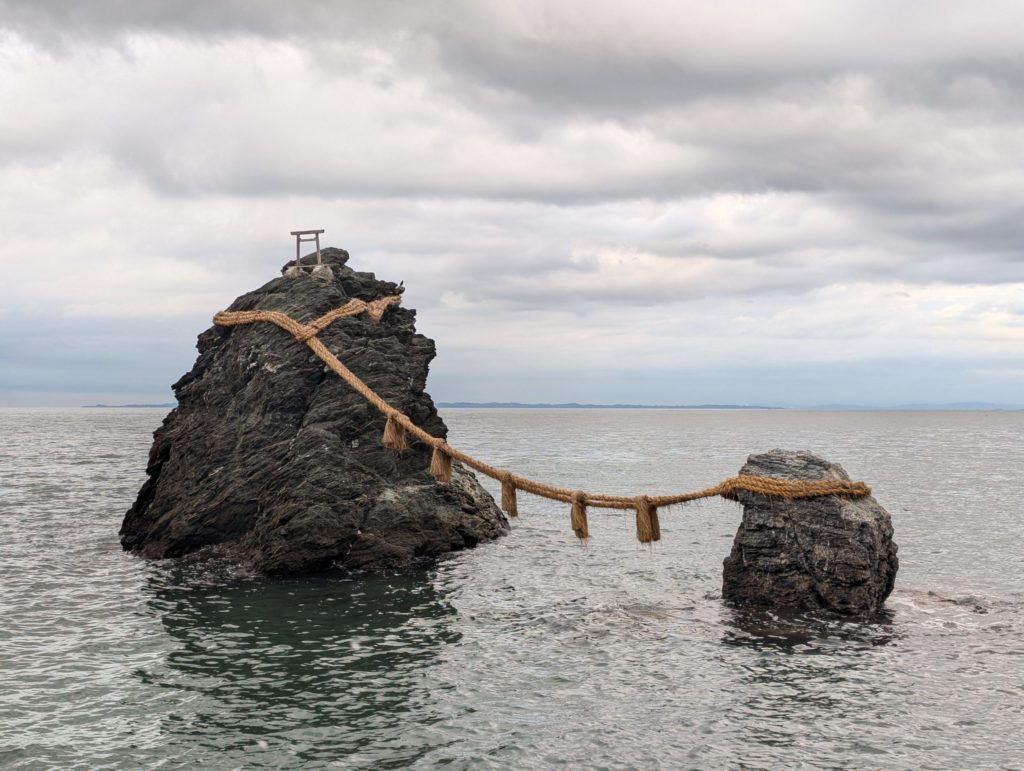
Located about 20 minutes by car or bus from Naiku, Futami Okitama Shrine sits right along the scenic coastline. It is home to the famous Meoto Iwa, or “The Wedded Rocks”—two sacred rocks in the ocean tied together by a heavy rice-straw rope, symbolizing harmony in marriage and strong relationships.
In ancient times, it was a ritual for pilgrims to purify themselves in the ocean here before visiting the Ise Grand Shrine. This tradition, known as Hamasangu, is why many still visit this shrine first to prepare their hearts and minds for the sacred journey ahead.
While you’re there, look for the many frog statues scattered around the grounds. In Japanese, “frog” is pronounced kaeru, which is a homonym for “to return safely.” These charming frogs are believed to bring good fortune to travelers!

How to Get to Futami Okitama Shrine from Ise Jingu
By Bus (Recommended: CAN Bus)
- Frequency: Runs about once an hour.
- Traveler’s Tip: If you plan to take the bus multiple times, I highly recommend getting the “Michikusa Ticket” (Ise-Toba Michikusa 1-Day/2-Day Pass). It offers unlimited rides on the CAN Bus and local buses, making it very cost-effective!
By Train
If you prefer the train, head to JR Futami-no-ura Station (it’s just two stops from JR Ise-shi Station).
- Walking: From Futami-no-ura Station, it’s a scenic 15-minute walk through a nostalgic Japanese town to reach the shrine.
By Taxi
If you are traveling in a group or short on time, a taxi from the Ise Jingu area takes about 15–20 minutes.
5:15 PM | A Stay with Retro Charm: Hoshidekan
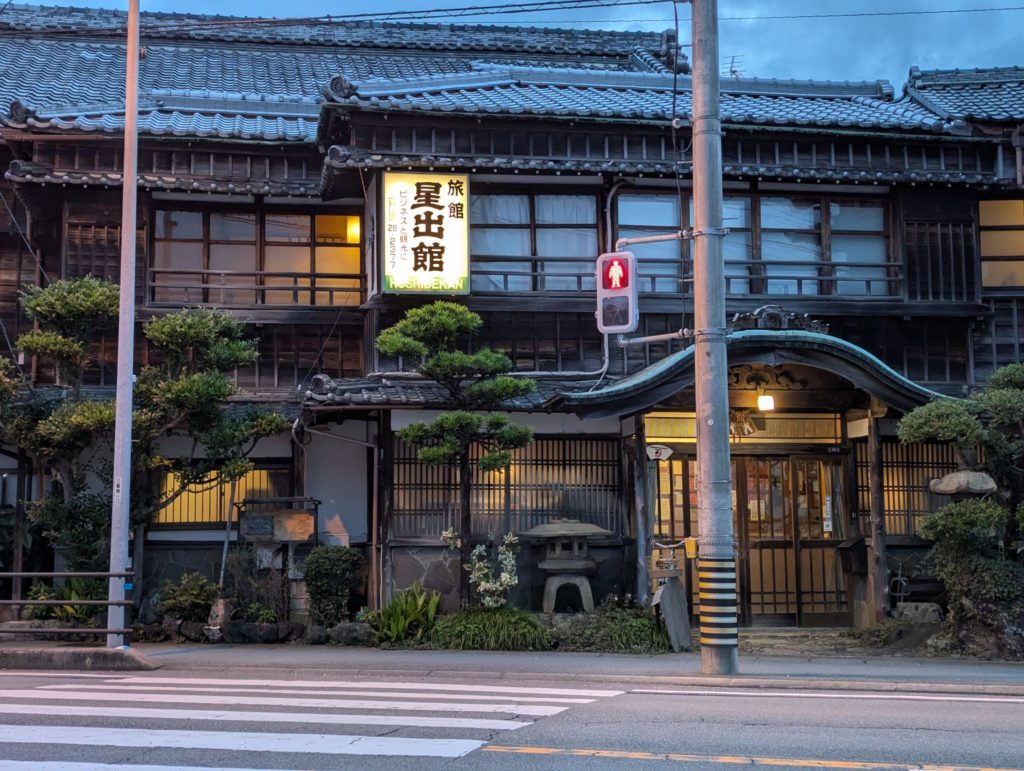
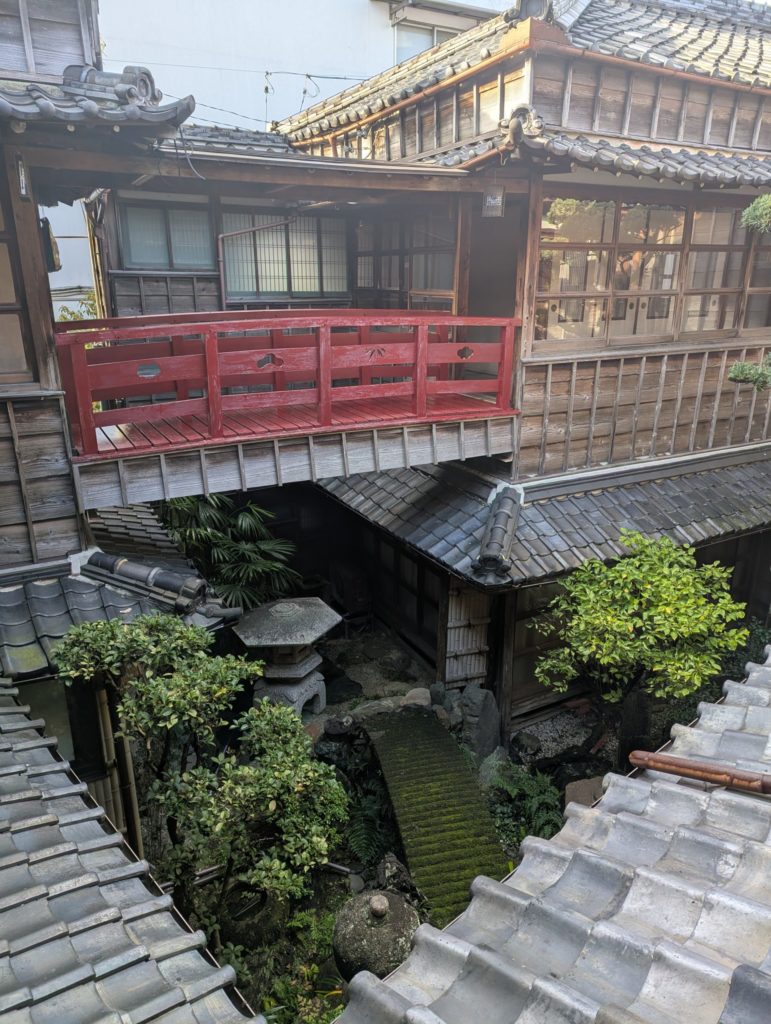
I stayed at a unique “Ryokan” called Hoshidekan. It feels like stepping back in time. It has a nostalgic “Grandma’s house” vibe but is spotlessly clean. It’s perfect for those wanting an authentic Japanese experience. The owner speaks some English, and English signs are available.

Kawasaki Area: A Nostalgic Riverside Town
I headed to the Kawasaki Area for dinner, located just a short walk from my Ryokan. Known as “Ise’s Kitchen” during the Edo period, this historic district once thrived as a merchant town. Even today, you can see beautifully preserved warehouses (Kura) and traditional townhouses along the Seta River. Many of these old warehouses have been renovated into chic cafes and boutique shops, giving the area a wonderful retro atmosphere.
Important Note for Travelers: Nightlife in Kawasaki starts and ends early! Most places, including restaurants, tend to close between 6:00 PM and 7:00 PM. If you’re planning to eat dinner here, make sure to head out as early as possible!
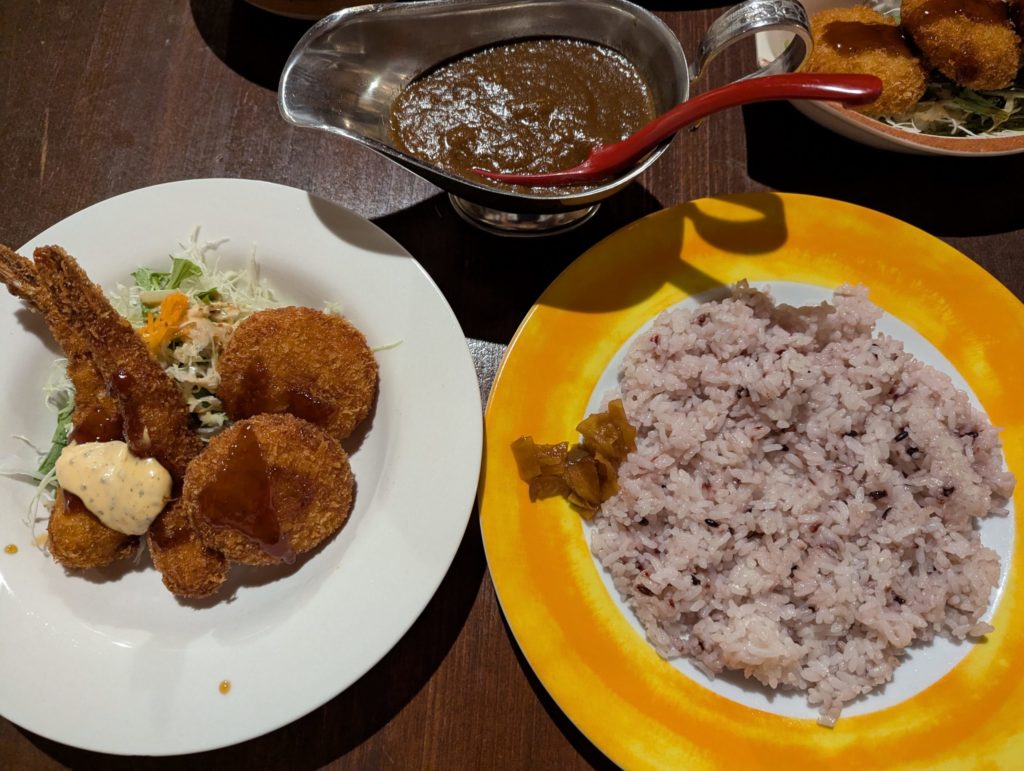
Recommended Dinner: “Kawasaki Nitchome Shokudo”
A cozy, home-style restaurant using local ingredients.
Restaurant Info:
- Name: Kawasaki Nitchome Shokudo
- Note: Cash only / No English menu available.
- Hours: 11:00 AM – 2:30 PM / 5:30 PM – 8:30 PM (Note: They close relatively early, so I recommend arriving by 7:30 PM for dinner!)
What’s Next? Day 2: Pearls, Cruises, and Breathtaking Ocean Views
My first day in Ise was a beautiful journey through Japan’s spiritual traditions and nostalgic flavors. But the adventure doesn’t stop here! On Day 2, we’re heading to the coast to witness the world-famous pearl culture, hop on a scenic bay cruise, and visit an observatory with one of the most stunning views in Japan.
Don’t miss out on the coastal magic of Toba and Shima—click the link below to continue the journey!
[Read Day 2: Exploring the Scenic Coastline of Toba & Shima →]

maonosk
Hello! I was born and raised in Osaka, Japan. Traveling is one of my greatest passions, and I love exploring both international and domestic destinations. I have a special fondness for the Kansai region, particularly Osaka, Nara, and Kobe, which I visit frequently. Kyoto, a city that attracts visitors from all over the world, holds a very special place in my heart, and I used to work in its tourism industry. Therefore, I have an in-depth knowledge of Japan, especially the Kansai area. On this website, I'll be sharing my personally recommended spots and unique experiences! Do you ever feel a bit overwhelmed by the crowds of tourists in popular spots like Kyoto and Osaka? If so, you're in for a treat! On this site, I'll also be introducing you to some quieter, more enchanting hidden gems and local areas, so please look forward to it! I sincerely hope this website helps you create unforgettable and wonderful memories of your trip to Japan!

You May Also Like
The Ultimate Umeda Shopping Guide: From Pokémon to High-End Fashion
The Ultimate Guide to Umeda Sky Building: Osaka’s Floating Observatory