Nara Park Guide: Must-See Spots and How to Enjoy Your First Visit to Nara!
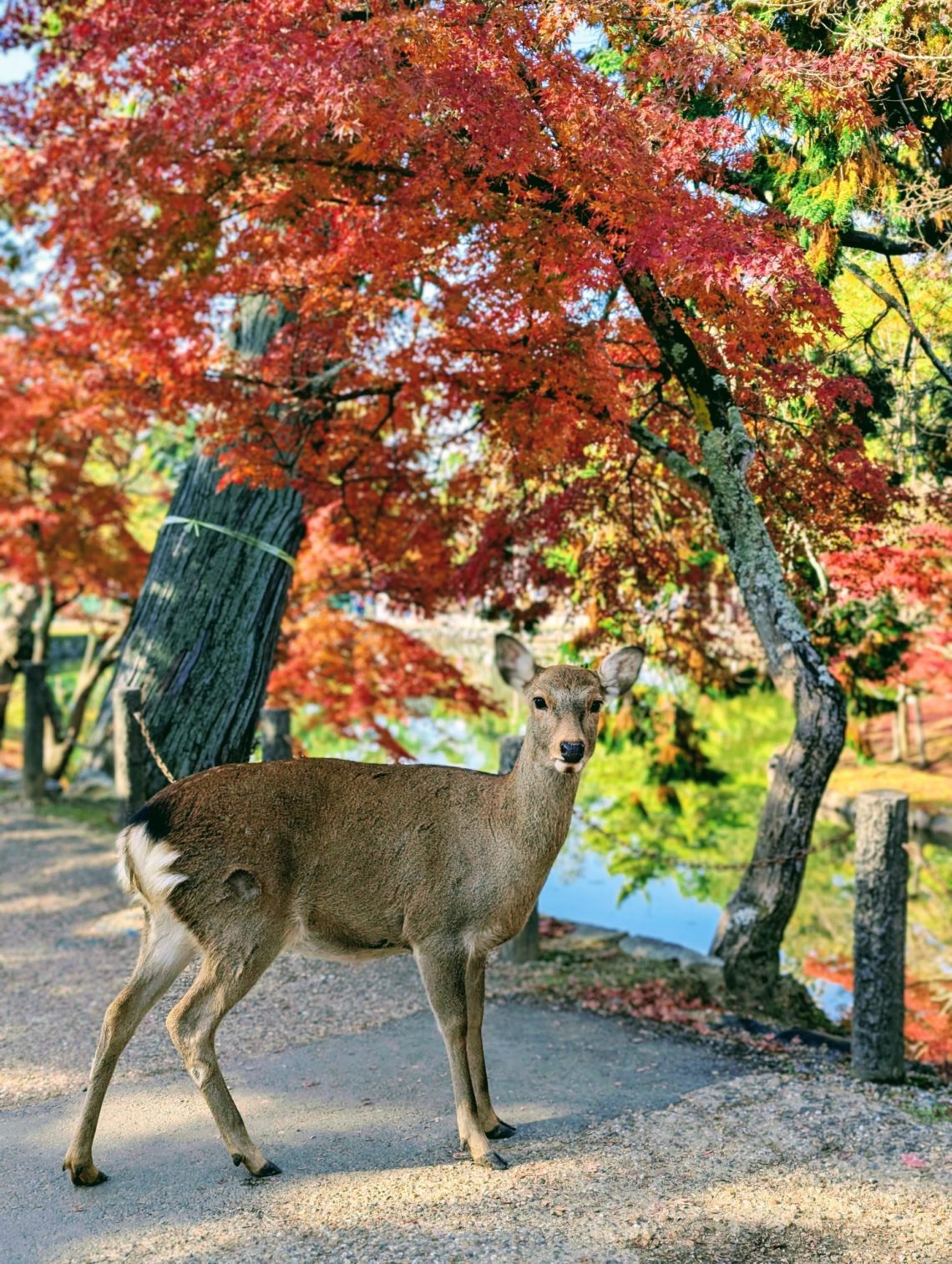
The “mysterious city where wild deer roam freely”—that is Nara, Japan’s ancient capital. If you are visiting this city, rich in history and nature, for the first time, your adventure begins at Nara Park, home to colossal temples and iconic pagodas.
Great News for Day Trips: Getting to Nara Station is fast—about 45 minutes by train from Kyoto and 1 hour from Osaka. It’s easy to enjoy Nara as a rewarding day trip if you are staying in either city.
This complete guide includes everything you need: access information, key spot details (quick reference), gourmet recommendations, and a suggested itinerary for touring Nara.
Table of Contents
🌳 What is Nara Park?
Nara Park refers to the sprawling area that stretches from Nara Station toward the eastern city center.
🚊 Access to Nara Park
Nara Park is served by two nearby stations:
- Kintetsu-Nara Station (Recommended): This is the best option. It is the closest station to the park center, the major temples, and the shopping arcade. Everything is easily reachable on foot.
- JR Nara Station: Also within walking distance (about 15-20 minutes walk to Kōfuku-ji Temple), but located slightly further from the central attractions than Kintetsu-Nara Station.
Landmark at Kintetsu-Nara Station
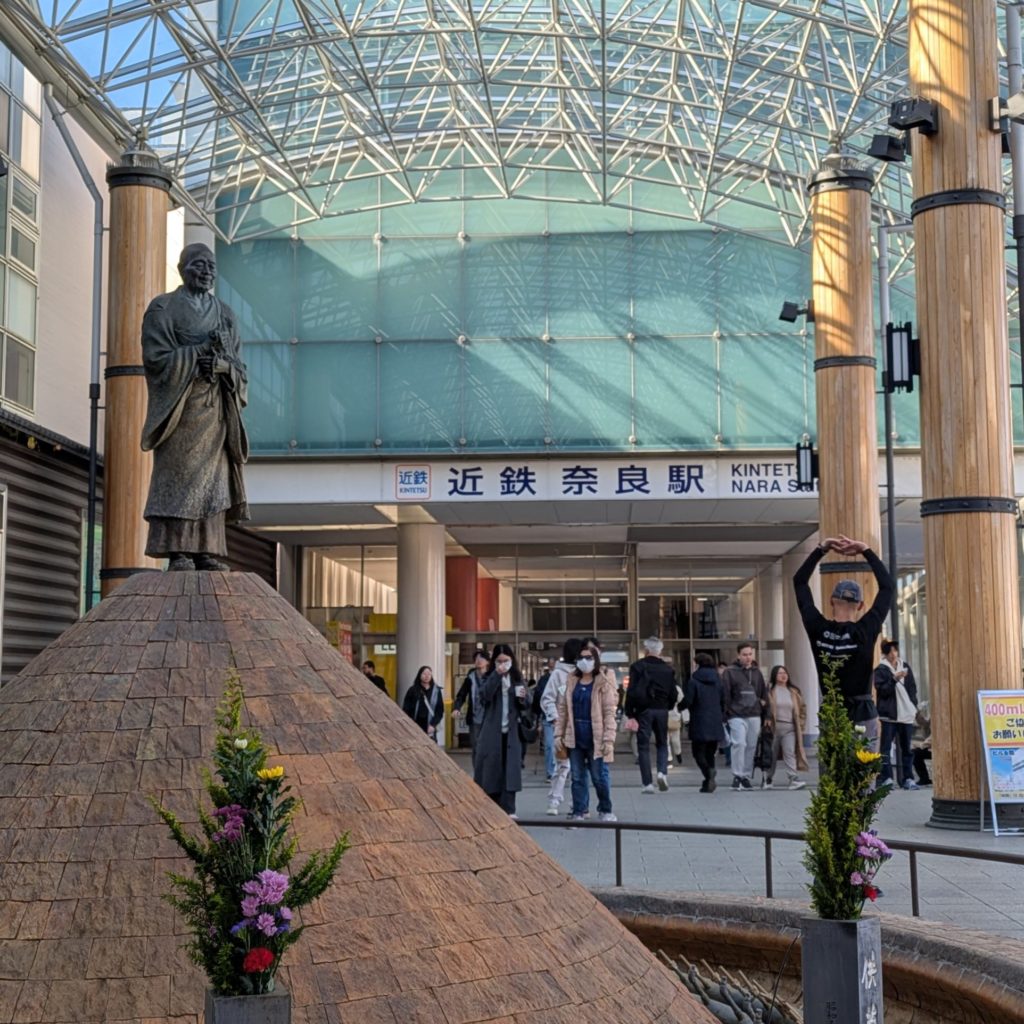
The bronze statue right outside the station is of Gyōki, a high-ranking monk who was instrumental in the construction of the Great Buddha at Tōdai-ji. He is standing facing the direction of the Great Buddha.
Shopping & Dining:
You will find a bustling shopping arcade right near Kintetsu-Nara Station. This vibrant arcade is packed with local restaurants and souvenir shops, making it an ideal spot for lunch or shopping. The adjacent Naramachi area is perfect for those with more time, offering charming narrow streets, traditional kominka (traditional house) cafes, and boutique shops for a delightful extended exploration.
Tip for Efficient Touring:
Nara Park is quite large, so planning an efficient route is essential, especially since Kasuga Taisha Shrine is located further away.
If you plan to have lunch in the Naramachi area, make sure to carefully consider your sightseeing order to avoid unnecessary backtracking!
Alternatively, you can opt for the restaurants located near Tōdai-ji Temple, which allows you to minimize walking and save time.
Note on Payments: While major cities accept cards, many smaller vendors, food stalls, and temple admissions in Nara Park (like Tōdai-ji and local mochi shops) only accept cash (Japanese Yen). Be sure to carry enough cash!
🗺️ My Actual Nara Park Itinerary(7.5-Hour Walk)
Peak Season Tip: I visited on a busy Sunday during the November foliage peak. Start your day early to beat the crowds—it makes a huge difference!
Tōdai-ji Temple was extremely crowded with tour groups. In hindsight, I might have preferred visiting Tōdai-ji first and then Kasuga Taisha later, although Kasuga Taisha also tends to get busy.
[Approx. 7.5-Hour Itinerary]
- 8:00 AM: Start at Kasuga Taisha Shrine.
Visit first thing in the morning when the air is fresh and the crowds are minimal. (Perfect for autumn foliage!) - 9:30 AM: Tōdai-ji Temple.
View the Great Buddha Hall. Note that crowds start to build up quickly around this time. - 11:00 AM: Lunch.
Head back to the Shopping Arcade Area for lunch. - 12:00 PM: Dessert & Performance (Nakatani-dō).
Stop here to purchase and enjoy freshly made Yomogi Mochi. - 12:30 PM: Relaxing Break.
Have a coffee break at the Starbucks overlooking Sarusawa Pond. - 1:00 PM: Afternoon Sightseeing (Kōfuku-ji Temple).
Unfortunately, the Five-Story Pagoda was hidden for repairs, so my visit was just a quick pass-by. - 2:00 PM: Hidden Gem Stop (Yoshiki-en Garden).
- 3:00 PM: Afternoon Treat (Tengyokudō).
This popular local shop is where you can try Yoshino Kuzumochi, a famous Nara specialty. (Yes, I had mochi again!) - 3:30 PM: Departure.
📌 Main Attractions in Nara Park
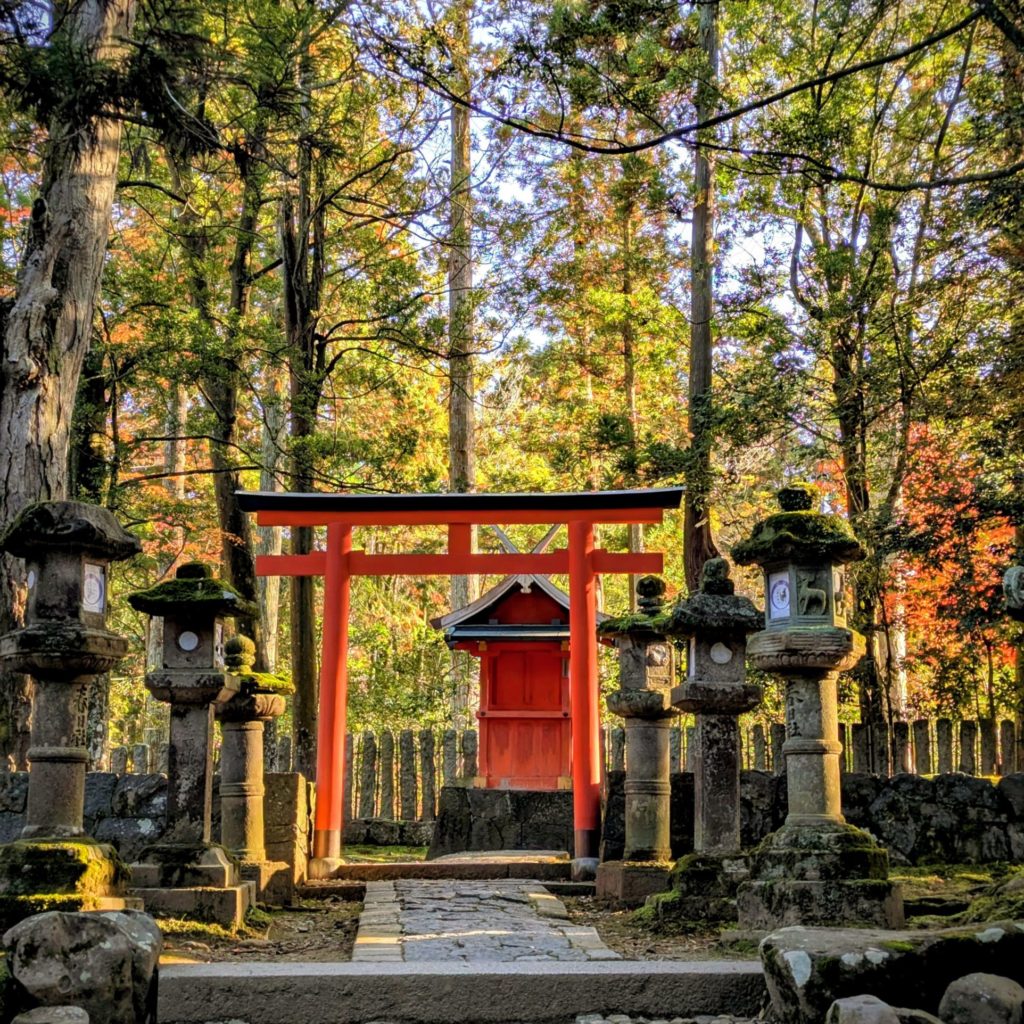
Kasuga Taisha Shrine
A vividly vermillion-lacquered shrine that considers the deer to be its divine messengers.
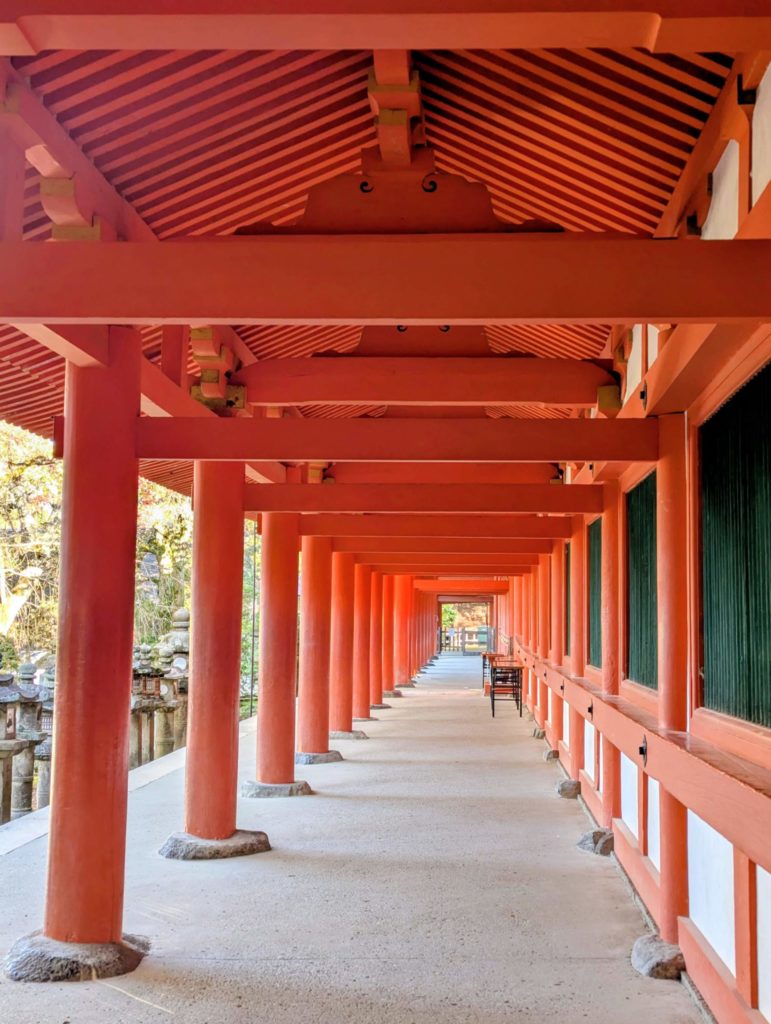
Tōdai-ji Temple: The Great Buddha and Beyond
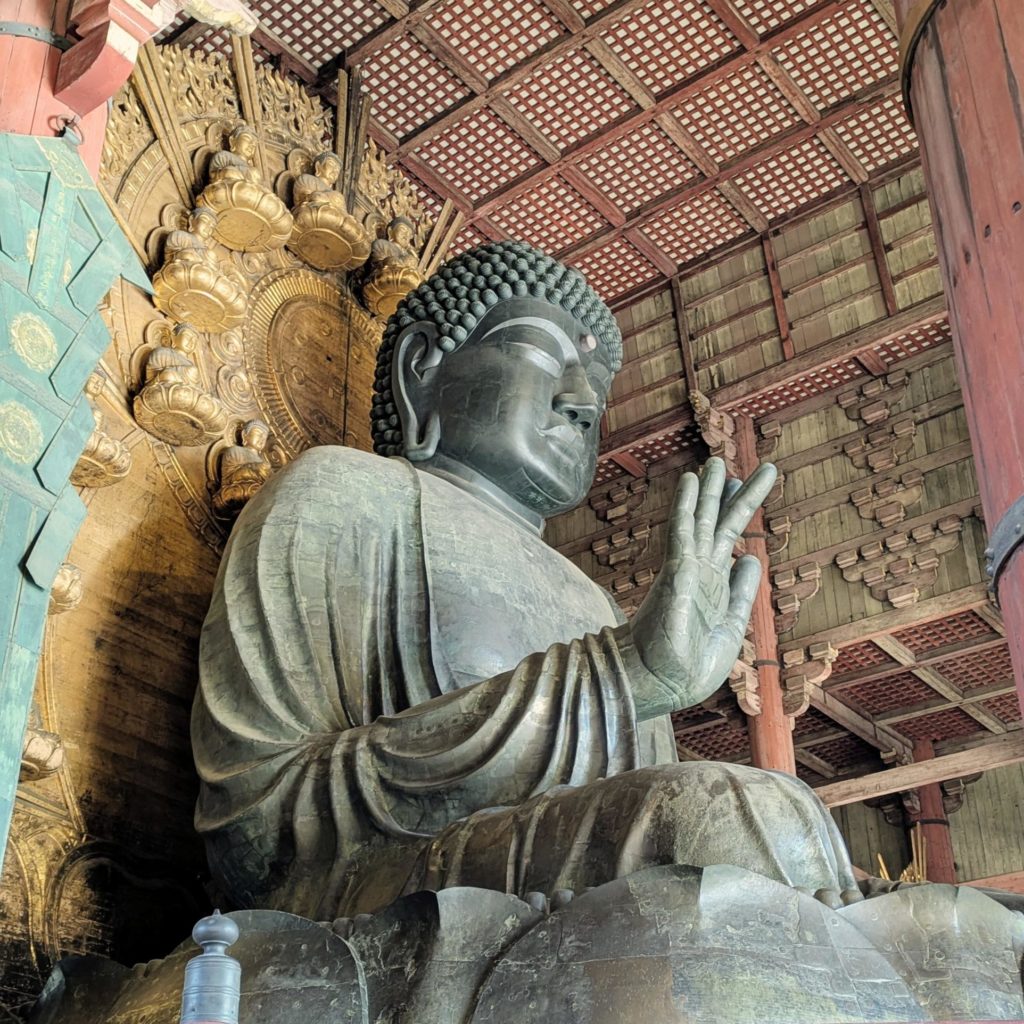
Tōdai-ji is the central temple of Nara and houses the colossal Great Buddha (Daibutsu), which began construction in 749 AD. Its sheer scale and majestic presence are truly awe-inspiring.
🎫 Admission and Museum
- Admission: The temple requires an entrance fee to see the Great Buddha.
- Tōdai-ji Museum: You can buy a set ticket that includes admission to the museum, which exhibits National Treasures focusing on the temple’s history and art. (Note: Explanations in foreign languages at the museum can be limited.)
🎧 Audio Guide: Highly Recommended Time-Saver
- The Foreign Language Audio Guide (¥500) is available for rent right here at Tōdai-ji Temple (Reception Hours: 10:00 AM – 4:30 PM, varies by season).
- This guide comprehensively explains the temple’s history, architecture, and the Great Buddha.
- Time-Saver Tip: If you are short on time, renting the Audio Guide allows you to skip the museum and still fully appreciate the temple’s profound history.
Kōfuku-ji Temple
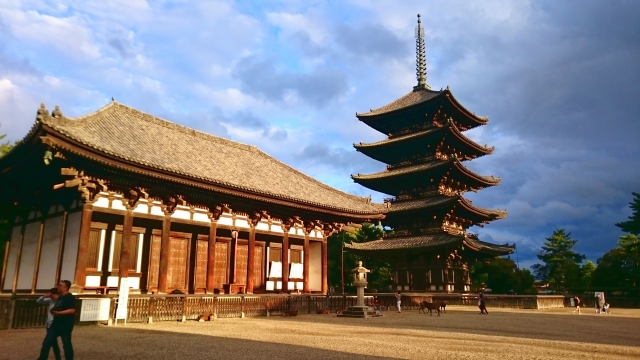
This is a central temple known for its elegant Five-Story Pagoda landmark.
Important Note: The Five-Story Pagoda is currently undergoing repair work and is not visible (scheduled until 2034).
Yoshiki-en Garden: A Stunning Hidden Gem (and it’s Free!)
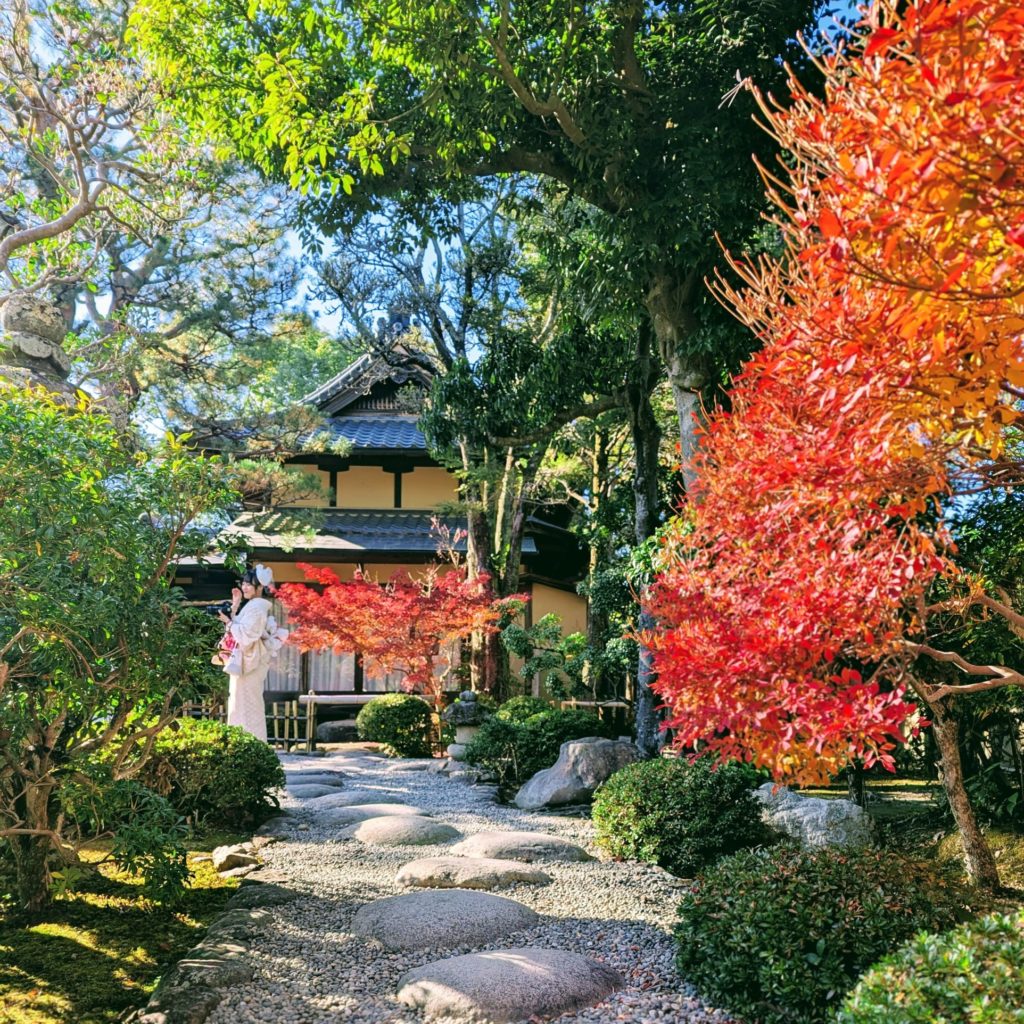
Having visited the Nara National Museum many times before, I chose to explore the beautiful Yoshiki-en Garden instead. This garden is a truly stunning hidden gem, often overlooked by mainstream tourists, and surprisingly, admission is free!
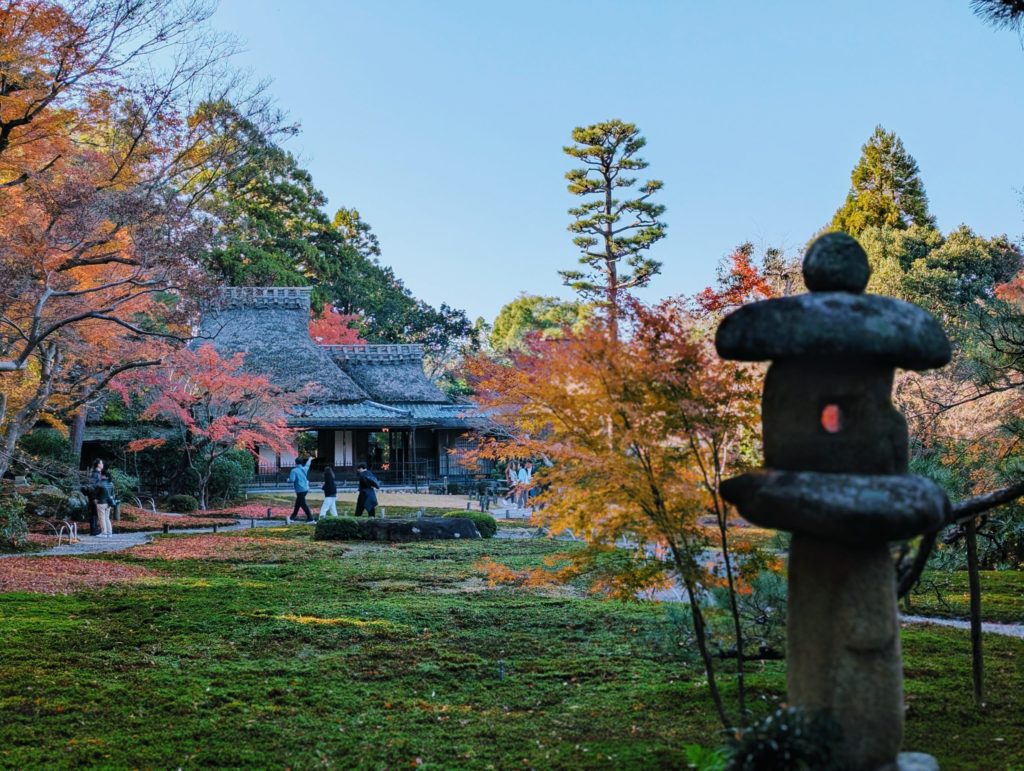
The grounds are larger than expected—I even saw a few people wandering around, momentarily lost in its beauty! It is highly recommended as a tranquil spot to enjoy traditional Japanese scenery. (A neighboring garden, Isui-en, is also beautiful but requires an admission fee.)
Nara National Museum

This museum primarily exhibits Buddhist Art. If you are interested in Buddhist art, especially statues and sculptures, we highly recommend a visit.
The annual Shōsōin Exhibition, held every autumn, is an incredibly popular event that showcases national treasure-class artifacts and draws famously long lines of visitors. It is a rare and precious opportunity!
🦌 Deer Encounters: Tips, Treats, and Safety Rules
Nara’s deer are designated as a natural monument of the country and coexist closely with humans. This unique experience can only be found here.
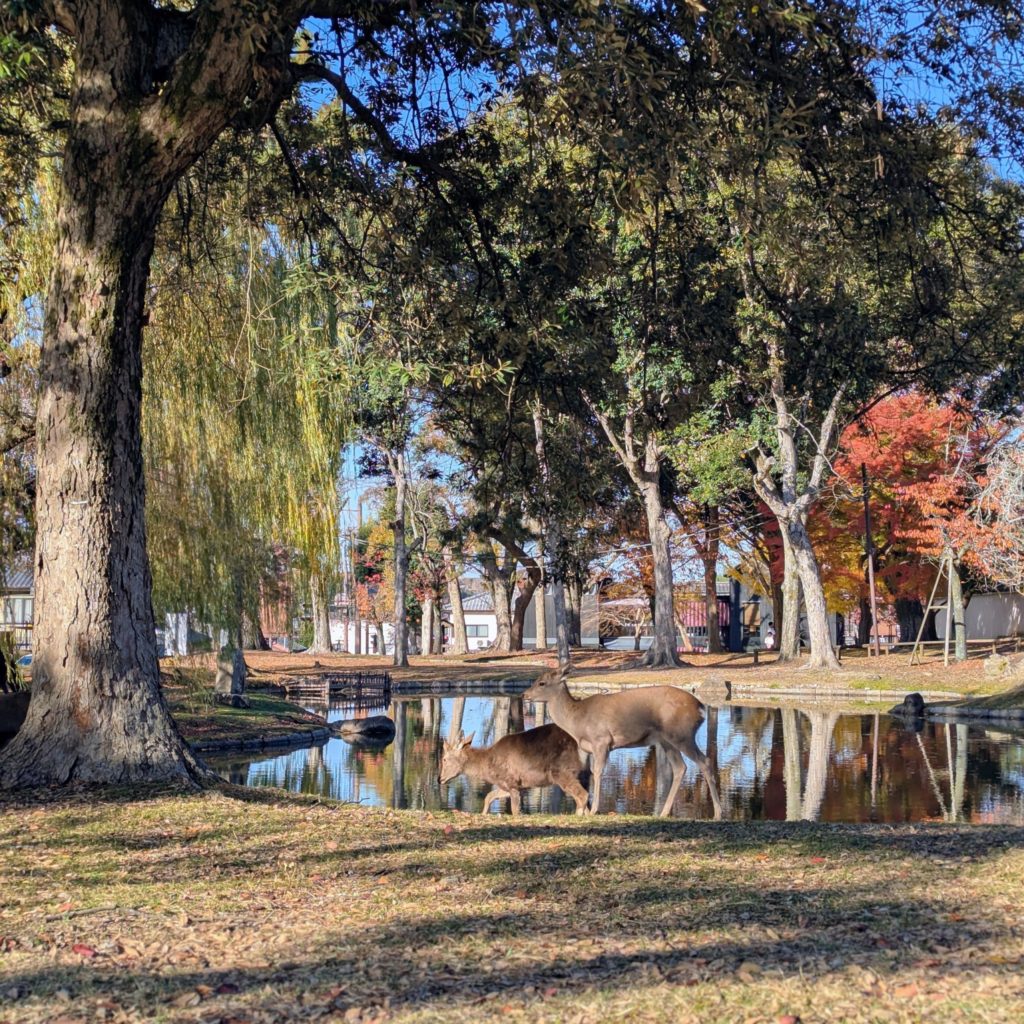
Why Are There Deer in Nara? (Messengers of the Gods)
In Nara, deer have been cherished as the “Messenger of the Gods” since ancient times. Legend states that a deity arrived at Kasuga Taisha Shrine riding a white deer. As a sacred consequence, the deer have been protected and now coexist with people in the city today.
Try Feeding Them Shika Senbei (Deer Crackers)
You can purchase “Shika Senbei” (Deer Crackers) at various stalls throughout the park.
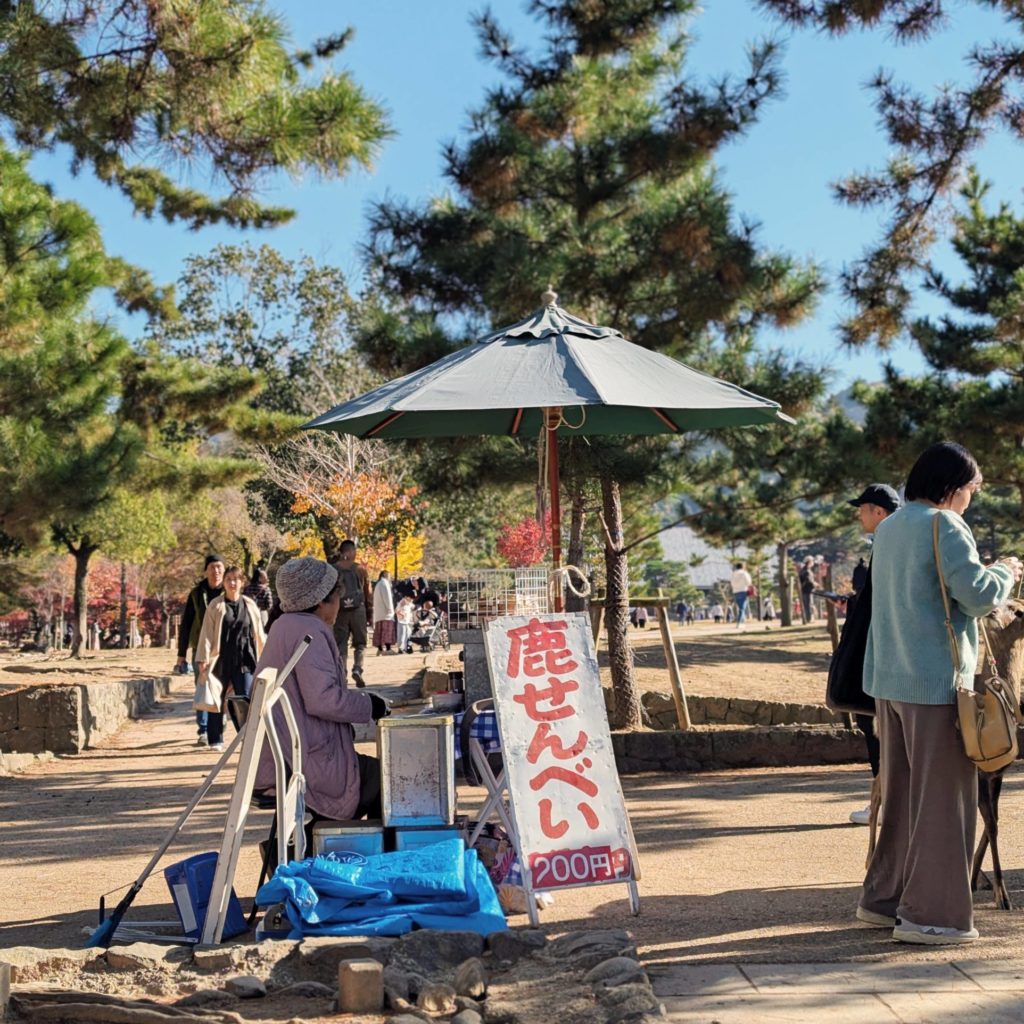
- Price: ¥200 (Cash only)
- Tip: The moment you buy the crackers, deer will gather around you, and some will even bow for a treat! Enjoy their adorable begging.
- Why Buy Them? A portion of all Shika Senbei sales supports deer protection activities.
- The Purpose: They were originally introduced to prevent tourists from feeding the deer potentially harmful human food.
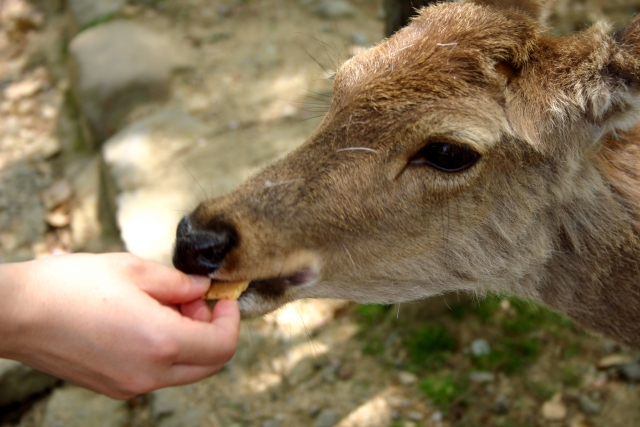
⚠️ Deer Safety Rules: MUST READ
- NO Human Food: It is strictly forbidden to feed the deer any human food other than the official Shika Senbei. Please respect this rule so they can continue to live naturally.
- Beware of Stags in Autumn: Male deer (stags) become aggressive during their mating season (especially around November). Avoid approaching or touching stags during this period. (I noticed the female deer were calmer, but the males would glare when I tried to touch them!)
🦌 Seasonal Highlight: Antler Cutting
Every year around October, Nara holds the traditional Antler Cutting ceremony (Shika no Tsunokiri). This 350-year-old Shinto ritual is held to prevent people from being injured by the deer’s antlers and is a major local seasonal event.
🍡 Local’s Choice! Nara Gourmet Spots
Here are two of my personal recommendations to enrich your Nara journey.
Yomogi Mochi from Nakatani-dō with High-Speed Pounding
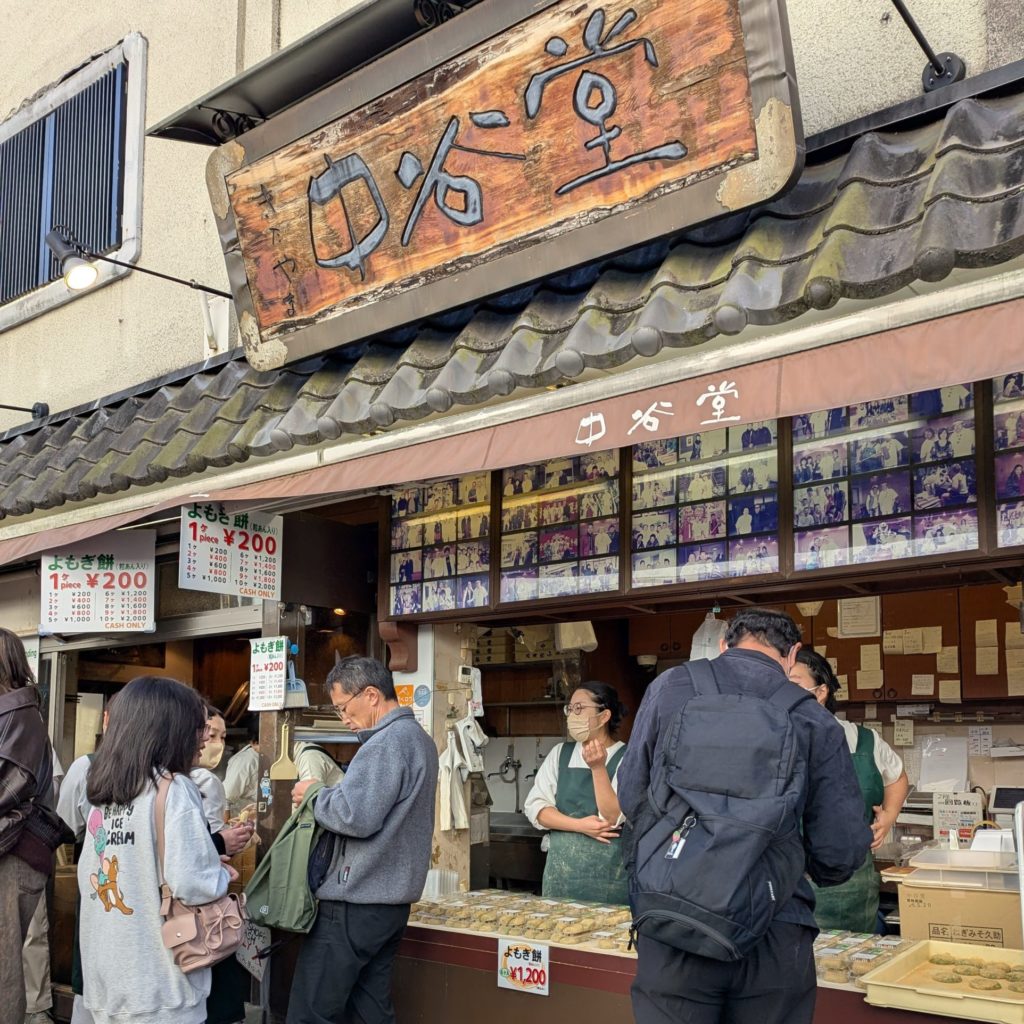
Nakatani-dō is famous nationwide for its “High-Speed Mochi Pounding”, which resembles a performance art.
The steaming hot, freshly pounded Yomogi Mochi (Mugwort Rice Cake) offers a softness and flavor you won’t find anywhere else!
- Recommendation: The fresh mochi is perfect for eating on the go. Don’t miss the live, high-energy mochi pounding performance!
- Price: ¥200 per piece (Cash only)
- Access: Located in the shopping arcade area
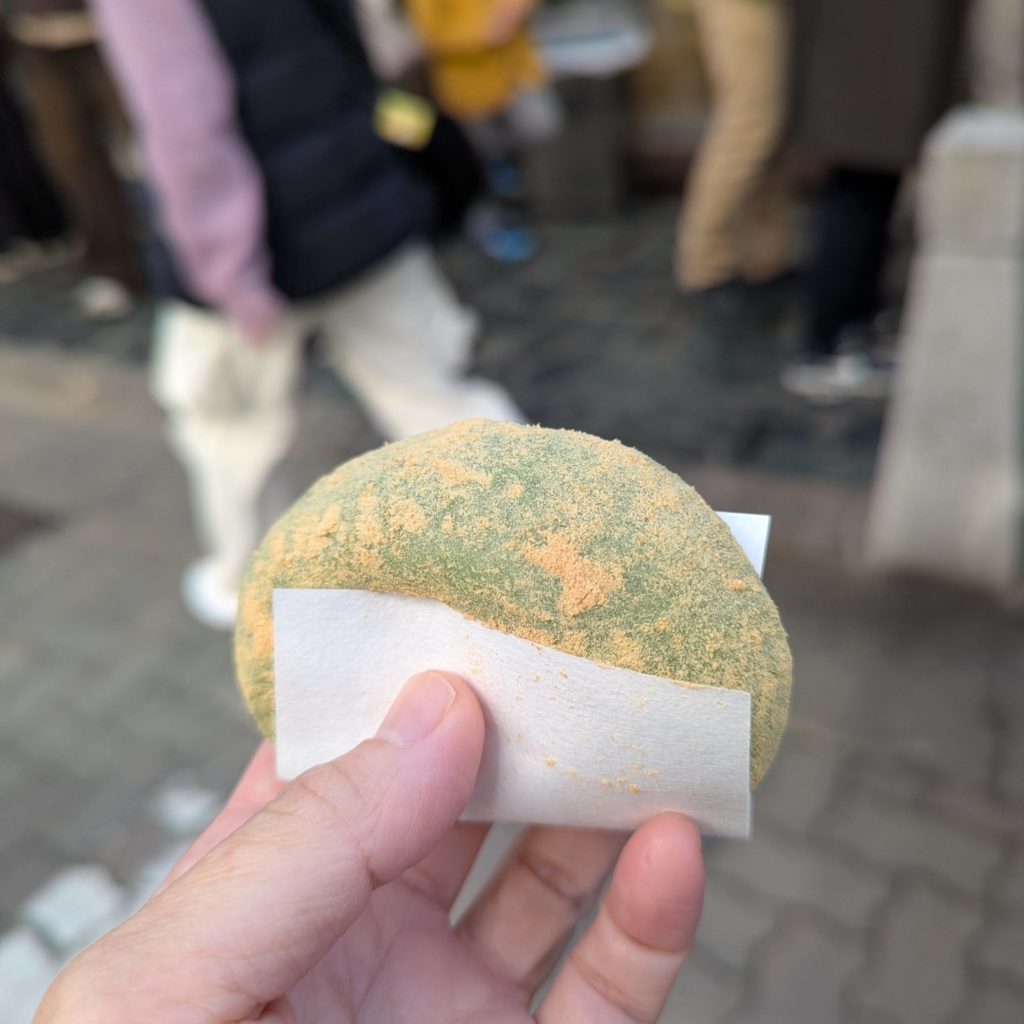
Whenever I eat this Yomogi Mochi, I truly feel, “Ah, I’ve arrived in Nara!”
Take a Scenic Break at Sarusawa Pond
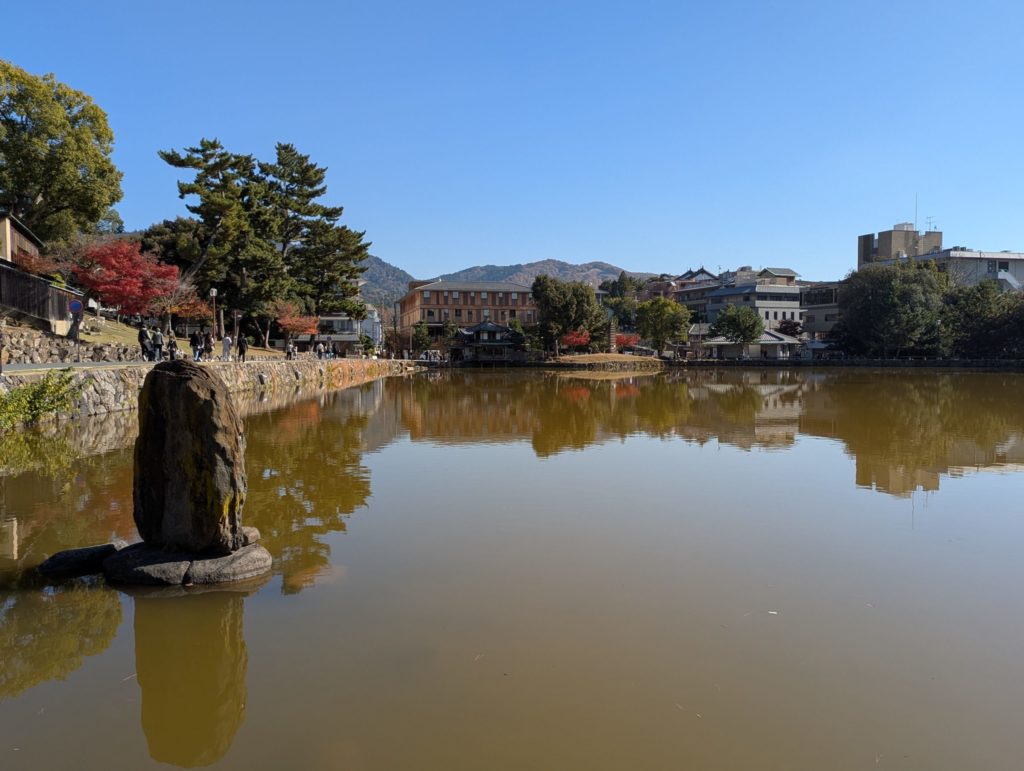
It’s highly recommended to take a break and enjoy the charming scenery of Nara. Sarusawa Pond, cherished as a scenic spot for hundreds of years, is conveniently located right near Nakatani-dō and Kōfuku-ji Temple.
The Best View in Nara? A Starbucks is located right on the edge of the pond. I personally think this spot offers the best view in all of Nara! It’s a perfect place to relax while gazing at the pond. (Note: The famous Five-Story Pagoda is usually visible here, but it’s currently under construction.)
Mysteries of the Pond:
Sarusawa Pond is also famous for its Seven Ancient Mysteries (The Seven Wonders):
- The water is never perfectly clear, yet it never becomes completely murky.
- No river flows into the pond, yet its water volume remains constant despite having no outflow.
- There are no frogs.
- No algae grows in it.
- Despite many fish being released yearly, it is never overflowing with fish.
It truly makes you wonder how it can withstand a major downpour without ever overflowing!
Tengyokudō
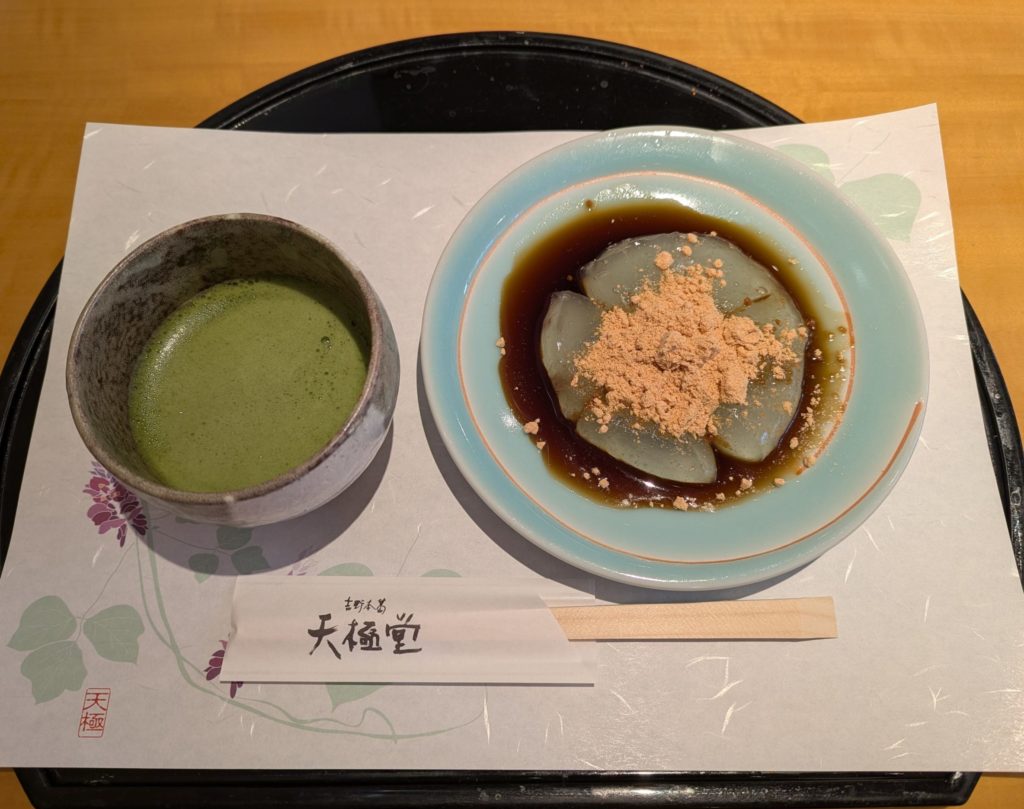
Tengyokudō is widely considered the best place to enjoy Yoshino Kuzu (Yoshino starch), a famous specialty of Nara. The kuzumochi here is served freshly made, warm, and delightfully jiggly (puru-puru), making it absolutely delicious. They offer more than just sweets; you can also enjoy savory meals and purchase high-quality souvenirs.
【Quick Reference】Key Information for Major Spots in Nara Park Area
Tōdai-ji Temple
- Main Attractions: Great Buddha Hall, Great Buddha of Nara
- Hours of Operation (Approx.): Apr. to Oct. 7:30 AM – 5:30 PM / Nov. to Mar. 8:00 AM – 5:00 PM
- Admission Fee (Approx.): ¥800
- Notes: Cash only
Kōfuku-ji Temple
- Main Attractions: Five-Story Pagoda
- Hours of Operation (Approx.): 9:00 AM – 5:00 PM
- Admission Fee (Approx.): Eastern Golden Hall: ¥300 / National Treasure Museum: ¥700
- Notes: The Five-Story Pagoda is under renovation until 2034.
Kasuga Taisha Shrine
- Main Attractions: Vermilion Main Sanctuary, Deer
- Hours of Operation (Approx.): Mar. – Oct. 6:30 AM to 5:30 PM / Nov. – Feb. 7:00 AM to 5:00 PM
- Admission Fee (Approx.): Special Sanctuary Visit: ¥700
- Notes: Grounds are free to walk through.
Nara National Museum
- Main Attractions: Buddhist Art, Statues
- Hours of Operation (Approx.): 9:00 AM – 5:00 PM
- Admission Fee (Approx.): General Admission ¥700
- Notes: Special fees apply during the Shōsōin Exhibition.
Nakatani-dō
- Main Attractions: High-Speed Mochi Pounding, Yomogi Mochi
- Hours of Operation (Approx.): 10:00 AM – 7:00 PM
- Admission Fee (Approx.): Yomogi Mochi 1 piece ¥200
- Notes: Cash only
🗣️ Deepen Your Experience: Free Volunteer Guides!
Do you want to gain a deeper understanding of Nara’s history and culture? We highly recommend checking out the Nara Guide Club.
The great news is that because these guides are volunteers, the guiding service is completely FREE!
- Supported Languages: The service usually supports Japanese, English, Chinese, and Korean.
- Recommendation: If you truly want to delve into the historical context of Tōdai-ji, Kasuga Taisha, and the deer, booking a free guided tour is an excellent way to do it.
Note: Since this is a volunteer service, we recommend contacting them well in advance to book your guide!
I hope your trip to Nara will be an unforgettable memory of your journey to Japan!
What are you waiting for? Book your memorable trip to Nara now!

maonosk
Hello! I was born and raised in Osaka, Japan. Traveling is one of my greatest passions, and I love exploring both international and domestic destinations. I have a special fondness for the Kansai region, particularly Osaka, Nara, and Kobe, which I visit frequently. Kyoto, a city that attracts visitors from all over the world, holds a very special place in my heart, and I used to work in its tourism industry. Therefore, I have an in-depth knowledge of Japan, especially the Kansai area. On this website, I'll be sharing my personally recommended spots and unique experiences! Do you ever feel a bit overwhelmed by the crowds of tourists in popular spots like Kyoto and Osaka? If so, you're in for a treat! On this site, I'll also be introducing you to some quieter, more enchanting hidden gems and local areas, so please look forward to it! I sincerely hope this website helps you create unforgettable and wonderful memories of your trip to Japan!

You May Also Like
No Umbrella Needed! Best Station-Linked Hotels in Umeda, Osaka
Ise-Shima Travel Guide: Discover Japan’s Spiritual Heart and Coastal Beauty